
Meth in Southland: what it is, how common it is, and the social fallout
 By Sanjay Joy. Published on 05/05/2025.
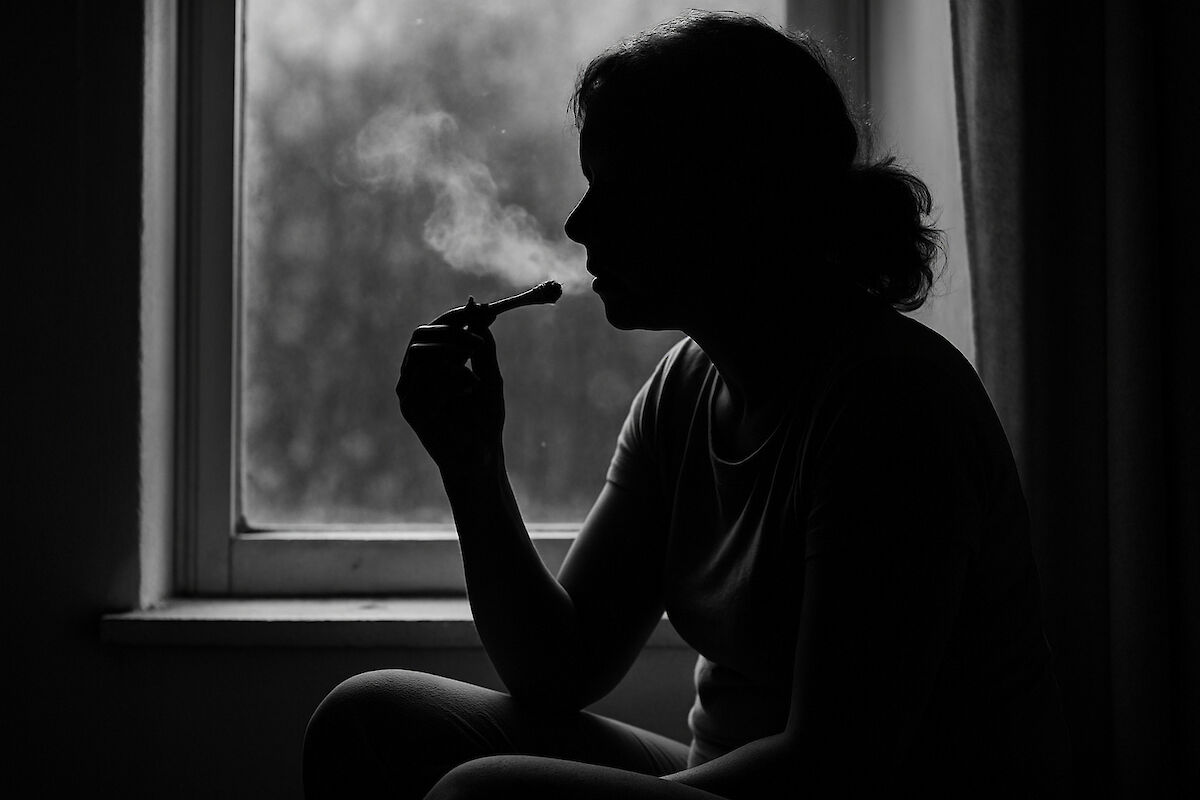
Content note: This article discusses substance use and family violence. If you’re feeling distressed or unsafe, help is available—please reach out.
Kia ora — What is meth (aka methamphetamine, “P” or “tina”), what does the latest data says about use in Southland, and the ripple effects we see in local homes and communities?
What is meth?
Methamphetamine is a powerful stimulant from the amphetamine family. It speeds up the brain and body, bringing short bursts of energy, alertness and euphoria — but it can also cause anxiety, aggression, paranoia and (with ongoing use) significant dependence. It’s usually smoked or injected, but can also be swallowed or snorted. In Aotearoa you’ll hear it called “P”, “meth”, “tina” or “ice”.
Legally, meth is a Class A drug under the Misuse of Drugs Act. That means the toughest penalties in NZ: life imprisonment for importing, manufacturing or supply, and heavy penalties for possession and precursor offences.
How widespread is meth in Southland right now?
New Zealand measures drug use using wastewater testing (anonymous samples from sewer networks). Police publish quarterly and annual summaries that let us compare regions over time.
The national picture: 2024 saw a sharp surge in meth use across the country. Police estimate at least 1,434 kg of meth was consumed at testing sites in 2024 — ~96% more than 2023 — with use rising at every site measured. In late 2024, weekly meth use across sample sites remained very high (about 36 kg/week nationally in Q4 2024). In early 2025, use was still elevated (about 33 kg/week, with an estimated $34.6m in social harm each week).
The Southland/Southern comparison: Southland sits inside the Southern Police District (Otago + Southland). Historically, Southern has been among the lowest per-capita meth-use regions in NZ. For example, in 2022/23 the Waikato district’s per-capita meth consumption was reported at ~843 mg/day/1,000 people versus ~164 mg/day/1,000 in the Southern district — roughly five times lower in Southern. That trend showed up in media coverage through 2024 too: the South generally recorded the lowest meth use and the highest MDMA use in the country.
But the 2024–25 surge affected all districts, including Southern. Police note that by late 2024, every district was running above its usual meth-use baseline, even if Southern remained lower than the hardest-hit regions further north.
What that means for Southland:
Meth is present here and increasing from earlier lows, but per-capita use remains lower than many North Island districts.
Local enforcement has targeted supply and gang-related violence linked to meth (e.g., Operation Pakari in Southland).
The social issues meth creates (and why property managers feel it)
Meth harm isn’t just individual — it’s community-wide. New Zealand’s Drug Harm Index tallies costs in health, crime, lost productivity, and social impacts on whānau. Those costs add up quickly when use spikes.
Locally, we see harm show up in a few recurring ways:
Whānau stress, family violence and child safety: Meth use is associated with relationship breakdown, financial distress, family harm and child-protection concerns. Oranga Tamariki research notes meth as a frequent factor when children enter care.
Gang involvement and community safety: A significant share of meth purchasing happens via gang channels, and regions including Southland/West Coast report higher rates of buying from gang members than many other areas — raising risks of intimidation, debt-collecting and violence.
Health system pressure: Dependence can drive acute mental-health episodes, sleep deprivation, poor nutrition and dental harm (“meth mouth”), with flow-on demand for already stretched services.
Housing instability & tenancy problems: Meth-related antisocial behaviour (noise, aggression, visitors at all hours) destabilises tenancies and neighbourhoods. Contamination risk is real too — even low-level use can leave residues that require assessment and, in some cases, remediation. (At Pride Property we work with accredited testers and follow current standards and insurer requirements so landlords and tenants aren’t left guessing.)
What’s being done in Southland?
Enforcement & community resilience: Police have run targeted operations in Southland (e.g., Operation Pakari) and work with local partners through the Resilience to Organised Crime in Communities (ROCC) programme in Murihiku to reduce harm at its roots.
Local services: Te Whatu Ora Southern’s Specialist Addiction Services provide assessment and treatment across the region, with youth and adult pathways. If you or a whānau member needs support, this is a good first contact.
If you’re a landlord or tenant in Southland
Early, confidential conversations help. If you suspect meth-related activity in a rental (behavioural red flags or possible contamination), talk to an experienced property manager before things spiral.
Have a plan. We can arrange reputable screening where appropriate, work within the Residential Tenancies Act, and coordinate with insurers, Police and support services as needed — keeping good tenants safe and dealing firmly with unlawful behaviour.
If you’re in immediate danger in New Zealand, call 111.
Support in Aotearoa New Zealand (24/7 unless noted):
Alcohol & Drug Helpline: 0800 787 797 or text 8681 — confidential support and advice.
1737 — Need to talk? Call or text 1737 to talk with a trained counsellor.
Lifeline: 0800 543 354 or free text 4357 (HELP) — emotional support any time.
Women’s Refuge (national crisis line): 0800 733 843 (0800 REFUGE) — safety, advocacy and safe housing.
Shine (family violence helpline): 0508 744 633 or webchat — confidential family violence support.
Are You OK (family violence information & support): 0800 456 450 and online resources.
Narcotics Anonymous (peer support): 0800 NA TODAY (0800 628 632) and local meetings.
Safe to talk — sexual harm helpline: 0800 044 334, text 4334, or webchat.
Victim Support: 0800 842 846 — free, confidential support after crime or trauma.
If you’re outside NZ, please check local services in your area. You’re not alone—reach out whenever you need to.
Need help or advice? Pride Property is here for Southland landlords and tenants — to keep homes safe, calm and compliant. If you want a quiet chat about risk management, suspected use, or how to build a sensible meth policy into your tenancy paperwork, get in touch and we’ll walk you through practical next steps. Sources: NZ Police wastewater reports and 2024 annual overview; NZ Drug Foundation reporting and data; ODT coverage of Southern trends; NZ Drug Harm Index; Oranga Tamariki research; Te Whatu Ora Southern service info.